Returning to ProSmat Home...

1.2 million Grade 9 learners to join senior school in January 2026

1.2 million Grade 9 learners to join senior school in January 2026 All the current 1.2 million Grade 9 learners will transition to senior schools in January 2026. The Ministry of Education is developing guidelines and modalities to ensure every Grade 9 learner gets an…
1.2 million Grade 9 learners to join senior school in January 2026

All the current 1.2 million Grade 9 learners will transition to senior schools in January 2026.

The Ministry of Education is developing guidelines and modalities to ensure every Grade 9 learner gets an opportunity in senior school.

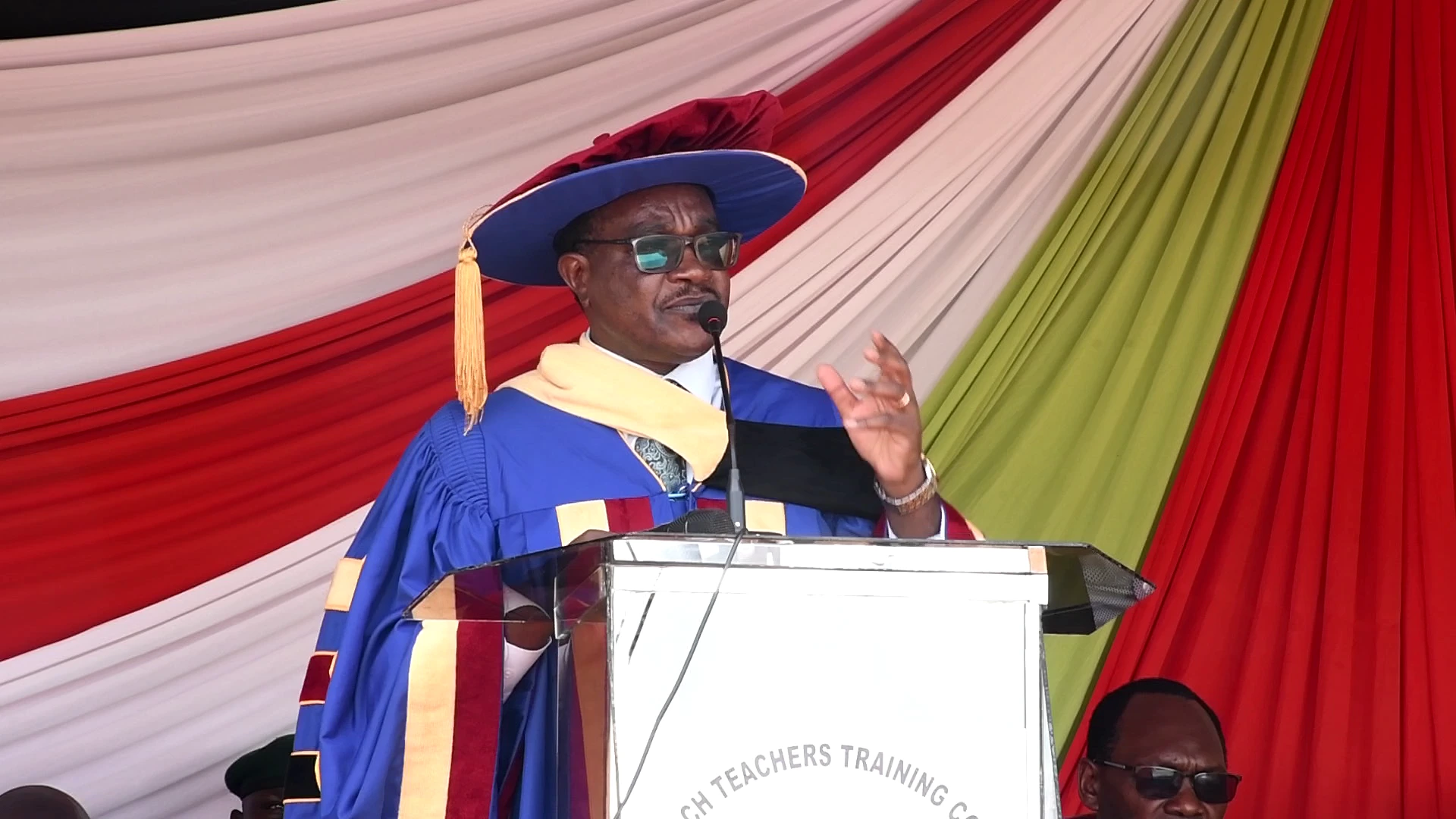
Basic Education Principal Secretary Prof. Julius Bitok said, “We are giving every child a chance, irrespective of the grades they attain at Grade 9, everybody must go to senior school to pursue the choice subjects,” the PS said.

“This will be the most single challenging issue in our curriculum-based education- CBE, considering it is the first time we are transitioning all the 1.2 million Grade 9 students to senior school,” he added.

He was speaking in Turbo constituency where he was launching infrastructure projects in various schools.

Grade 9 students are currently applying for senior schools that have been categorized into four clusters, with Cluster 1 comprising 255 former national schools, Cluster 2 formerly extra county schools have 755 schools, Cluster 3 comprising 1,300 former county schools, and Cluster 4 comprising 7,250 former days schools and sub-county schools.

“The ministry decided to start the process early for students in junior school to select their career paths and subject clusters with support from their teachers in consultations with parents so that come January 2026, all the 1.2m will be able to get space in senior school,” he said.

The PS said the government has employed a technology-based system to enable all secondary schools to upload the requirements.

“Students and their parents, with assistance from the teachers, can log on to: selection.education.go.ke, to choose their pathways and subject combination,” the PS said.


As part of it is commitment to ensure quality education, the government will construct 1,600 laboratories across the country between July and December this year, he added.

Prof Bitok said the ministry will continue to liaise with the National Treasury to ensure that in the future education funds are set aside to reach schools on time, although challenges in disbursing capitation to schools due to exchequer issues have been encountered.

“The government is doing all it can to ensure our children get quality education. Two weeks ago, we managed to release Sh2 billion in capitation to support schools in their management,” he added.

He said the ministry continues to strengthen the Kenya Education Management Information System, KEMIS, to ensure every school in Kenya receives funding according to the number of students.

The PS said the development of education calls for concerted effort, saying stakeholders in the education sector have continued to show support which has contributed to the development of the sector.

They include national government, county government, NG-CDF, education investors and the religious sector among other players.

He said the government is committed to continuously improving infrastructure in public schools to ensure all learners undertake their studies in good classes.

“The Ministry of Education will join hands with all stakeholders in the modernization of schools. Learning will greatly improve if it is undertaken in a good environment.

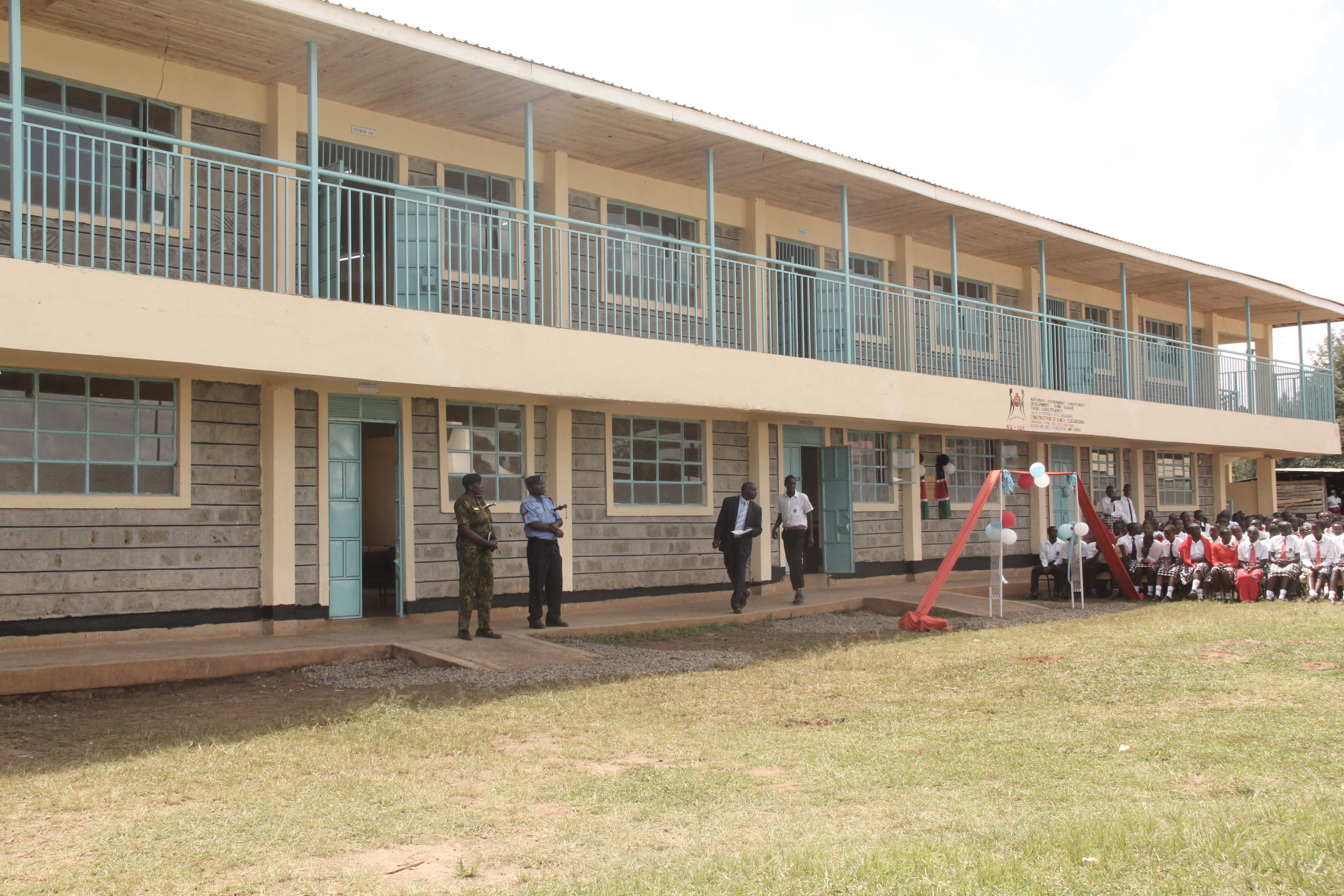
“Mud wall structures have no place in the modern world, and we will eliminate them across the country, replacing them with modern schools,” he said.

Among the schools the PS visited were Kaplelach, Cheremei, Kapsaos, and St. Paul Sambut Secondary Schools where he launched infrastructure projects.
Story Image

Why Grade 6 and 9 Learners Will Get Reports, Not Certificates

Learners who completed the Kenya Primary School Education Assessment (KPSEA) for Grade 6 and the inaugural Kenya Junior School Education Assessment (KJSEA) for Grade 9 will not receive traditional certificates, the Ministry of Education has affirmed. Instead, they will be issued…
Learners who completed the Kenya Primary School Education Assessment (KPSEA) for Grade 6 and the inaugural Kenya Junior School Education Assessment (KJSEA) for Grade 9 will not receive traditional certificates, the Ministry of Education has affirmed. Instead, they will be issued with comprehensive reports detailing their competencies. This marks a significant policy shift from the 8-4-4 system, aiming to de-emphasise high-stakes, one-off examinations in favour of a continuous assessment model.

The decision, announced as over 3.4 million candidates sat for national assessments in October and November 2025, is a core feature of the Competency-Based Curriculum (CBC). According to Education Cabinet Secretary Julius Ogamba, the move is intended to reduce the intense pressure and competition associated with the former Kenya Certificate of Primary Education (KCPE). The new system focuses on tracking a learner's progress over time rather than a single summative score. "This approach provides a clearer transition to universities and tertiary institutions than the 8-4-4 model,” the CS stated on Wednesday, October 29, 2025.
A Shift in Assessment Philosophy

Under the new framework, the assessments at Grade 6 and Grade 9 serve as diagnostic tools rather than final judgments. The KPSEA, which replaced the KCPE, is used to monitor learning progress and provide feedback to students, teachers, and parents on areas of strength and weakness. Similarly, the KJSEA is the first national assessment for the pioneer CBC cohort at the end of junior school. Its results are not meant for ranking but to guide placement into the three senior school pathways: Arts and Sports Science; Social Sciences; and Science, Technology, Engineering, and Mathematics (STEM).

The final score for placement into senior school is a composite. The KJSEA summative assessment accounts for 60% of the final mark. The remaining 40% is derived from school-based assessments, including projects and other formative tests conducted in Grades 7, 8, and 9. This integrated model, as explained by Kenya National Examinations Council (KNEC) CEO Dr. David Njeng'ere, provides a more holistic view of a learner's abilities. "We are moving away from the exam-oriented culture to one that nurtures critical thinkers,” Dr. Njeng'ere said.
What Replaces the Certificate?

In place of a certificate, Grade 6 learners will receive a transition report that describes their performance across various learning areas. Grade 9 learners will be issued a more detailed transcript at the end of junior school. These documents will not feature traditional grades like A, B, or C, but will use descriptors such as 'Exceeding Expectations', 'Meeting Expectations', and 'Approaching Expectations' to provide a qualitative analysis of a student's mastery of competencies.

The detailed scores will be shared exclusively with the Ministry of Education for placement purposes, a move designed to prevent the public ranking of schools and students that characterized the KCPE era. Certification will only be issued at the end of senior school (Grade 12), which will be known as the Kenya Certificate of Basic Education (KCBE). This final certificate will be based on the learner's chosen specialization pathway.
Implications for the Kenyan Public

This policy shift has significant implications for parents, teachers, and learners across Kenya. The primary goal is to create a less stressful learning environment that values skill acquisition and practical application over rote memorization. By eliminating certificates at these early stages, the Ministry of Education aims to foster a culture of lifelong learning and reduce the stigma of perceived failure among young students.

The inaugural KJSEA for 1.13 million learners and the third KPSEA for 1.29 million learners began on Monday, October 27, 2025, and ran concurrently with the Kenya Certificate of Secondary Education (KCSE) examinations. KNEC has implemented stringent measures to ensure the credibility of the assessments, including the separate collection of morning and afternoon papers and strict protocols on mobile phone usage in examination centres. As Kenya fully transitions to the CBC, the focus remains on whether this new assessment model will successfully nurture competent, innovative, and confident learners prepared for future challenges.
Story Image

How TVET's Success is Shaping Kenya's Education Future | Vision2030

Kenya's education system is changing. We're moving away from memorizing facts to learning practical skills that lead to real jobs. This shift to Competency-Based Education (CBE) is happening across all levels, from primary schools to technical colleges. But here's something…
Kenya's education system is changing. We're moving away from memorizing facts to learning practical skills that lead to real jobs. This shift to Competency-Based Education (CBE) is happening across all levels, from primary schools to technical colleges.

But here's something interesting: while everyone talks about changes in primary and secondary schools, technical colleges (TVET institutions) are already succeeding with this new approach. Their success story offers valuable lessons for every school in Kenya.

Education Cabinet Secretary Julius Migos Ogamba says TVET is crucial for achieving Vision 2030. The Competency-Based Education and Training (CBET) model is working. It's preparing Kenyan youth with hands-on skills needed for industrialization. This success shows us what's possible when education focuses on real-world competence.
Why TVET Matters for Kenya's Future

Kenya wants to become an industrialized nation. To do this, we need skilled workers. TVET institutions are training these workers right now. They're proving that competency-based learning works.

For parents, this means your child's education is becoming more connected to job opportunities. For teachers and school administrators, TVET shows that aligning curriculum with national goals is possible. The government is committed to making CBET work across all education levels.
The Power of Practical Skills

CS Ogamba explains that CBET in TVET institutions is giving Kenyan youth the hands-on skills needed for industrialization. This focus on practical knowledge is exactly what the wider CBE curriculum aims to teach from early grades.

We must see primary and secondary education not just as preparation for exams, but as the first step in developing job-ready skills. Every lesson should connect to real-world applications.
How Industry Partnerships Solve the Skills Gap

One of the biggest lessons from TVET is the need for schools to work with industries. For years, Kenyan employers complained that graduates had certificates but lacked practical skills. TVET is solving this problem through partnerships.

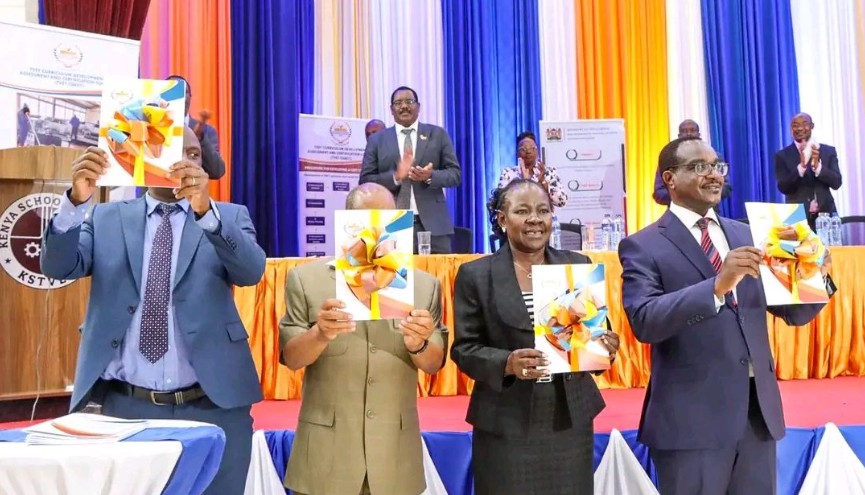
The TVET CDACC (Curriculum Development, Assessment and Certification Council) works closely with industries to ensure training matches job market needs. This collaboration has produced over 400 competency-based curricula designed with industry experts.

Here's what this means:

Relevant Curriculum: Courses match what employers actually need
Industry Assessment: Employers help assess student skills
Continuous Updates: Curricula stay current with technology changes

What Schools Can Learn

If TVET needs industry input to stay relevant, how can regular schools do the same?

For School Administrators: Build partnerships with local businesses. Even small businesses can provide valuable exposure. Let students work on real projects that solve community problems. Use digital tools like EduPoa to track how student competencies match industry needs.

For Teachers: Learn to assess observable competencies, not just test scores. The CBET model requires clear quality standards. Use digital platforms to create consistent assessment rubrics that measure real skills.
Recognizing Skills Beyond Certificates

Here's something exciting: Kenya now recognizes skills even without formal certificates. The Recognition of Prior Learning (RPL) initiative, led by the Kenya National Qualifications Authority (KNQA), allows people with valuable skills to get certified even if they never went to school.

This is a game-changer for inclusivity. It means talent isn't wasted just because someone lacks academic papers. Competence matters more than certificates alone.
What This Means for Parents

Your child's demonstrated ability, their actual competency, is becoming more important than just grades. The system is moving toward valuing practical skills. Encourage your children to participate in hands-on activities, vocational clubs, and community service. These experiences build real competencies.

The scale of this transformation is impressive. In just one assessment period (July/August 2024), TVET assessed 59,575 candidates across 252 assessment centers in 226 different qualifications. Managing this requires digital systems that can track competencies accurately and consistently.
Preparing for Tomorrow: Green Skills and Global Opportunities

Education must prepare students for the future, not just today's jobs. TVET is leading the way by integrating green skills and environmental awareness into curricula. This prepares youth for jobs that don't even exist yet.

Kenya is also positioning itself as a leader in Competency-Based Education across Africa. Partnerships with organizations like GIZ, the International Labour Organization (ILO), Mastercard Foundation, and the World Bank are strengthening CBET implementation. These collaborations bring global best practices to Kenya and create international opportunities for Kenyan students.

This proves that Kenyan institutions can deliver high-quality, competency-based education that meets international standards.
What You Can Do Today

The TVET success story shows that competency-based education works when it's relevant, well-managed, and connected to real-world needs. Here's how different stakeholders can apply these lessons:
For School Administrators

Use digital tools to track student competencies against industry skill demands. This helps inform subject choices and project-based learning. Build formal partnerships with local businesses for mentorship and practical exposure. Don't wait for industries to come to you; reach out and create opportunities.
For Teachers

Use digital platforms to create and manage standardized competency assessment rubrics. These should define proficiency clearly and consistently. This ensures fairness and quality across all classes. Focus on assessing what students can do, not just what they know.
For Parents

Encourage your children's participation in practical activities, vocational clubs, and community service. Support the development of green skills and environmental awareness. These are future job requirements. Recognize that hands-on learning is just as valuable as academic learning.
For Policy Makers

Invest in digital infrastructure. Managing thousands of assessments requires digital efficiency. Ensure all education levels have the technology needed to manage curriculum delivery, assessment data, and competency tracking at scale.
The Role of Technology in This Transformation

The success of CBET in TVET proves that Kenya is on the right path toward Vision 2030. By emphasizing industry relevance, integrating future-ready skills, and maintaining high standards, TVET provides a blueprint for the entire CBE system.

But managing this transformation, connecting learning outcomes to national goals and tracking competencies across thousands of students, is impossible without digital tools.
This is where ProSmat comes in handy to bridge the gap. ProSmat Analytics, your best Tool.
Story Image

TSC list of details required in teachers wealth declaration exercise

The Teachers Service Commission (TSC) has activated the online wealth declaration portal for teachers to start declaring details of their Income, Assets and Liabilities for the past two years. The Commission has given teachers and its secretariat staff approximately two weeks…
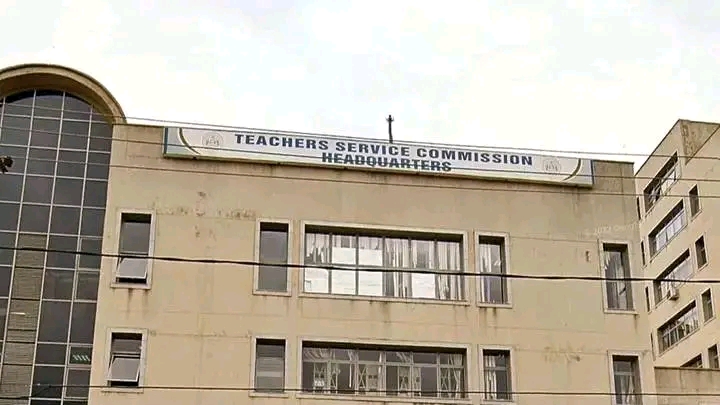
The Teachers Service Commission (TSC) has activated the online wealth declaration portal for teachers to start declaring details of their Income, Assets and Liabilities for the past two years.

The Commission has given teachers and its secretariat staff approximately two weeks to complete declaration of their wealth and that of their dependants.

The exercise which targets over 350,000 teachers on TSC payroll was started on 1st November but many teachers were unable to proceed since the online wealth portal had not been activated.

TSC discontinued manual declaration of wealth where teachers would fill a form, sign and submit to their TSC sub county offices.

The exercise done after every two years is mandatory for all public servants and is aimed to enhance integrity in the public service.

Teachers will be required to declare details of their wealth i.e income, assets and liabilities and that of their dependants.

The exercise runs till 31st December 2025. Teachers who fail to participate in this important exercise may face stiff penalties which may include warning letters or even salary stoppage.

Both the Commission secretariat staff and teachers will be required to declare details of their income, assets and liabilities by 31st December 2025.

However intern teachers are spared from this exercise. TSC carried out virtual sensitization programme before official roll out on 1st November 2025.

“The Commission is obligated to inform, sensitize and mobilize its employees to comply with various legal requirements which include Section 26 and 27 of the Public Ethics Act and Part IV (31) of the Conflict of Interest Act,” TSC said in a memo dates 26th September 2025.

Below we have shared key wealth declaration guidelines previously issued by the Commission as well as key requirements for declaring wealth.

1) All teachers employed by the Commission are required to declare their Income, Assets, and liabilities including teachers on any kind of leave, Interdiction, Suspension or authorized absence from duty.

2) Intern teachers are not expected to declare their Income, Assets, and Liabilities.

3) Under the Public Officer Ethics Act any Public Officer who fails to submit a declaration or gives false or misleading information will be liable to a fine of Ksh. 1,000,000 or imprisonment for a term not exceeding one year or both upon conviction. Further, such teachers may be subjected to administrative or disciplinary action as per the TSC Administrative Procedures on DIALs.

4) The Declaration can only be accessed by individuals who have activated their official email @mwalimu.tsc.go.ke email address. This will be vital for user credibility, setting, accessing, and resetting individual passwords for the Declaration as applicable.

5) A copy of the submitted declaration will be sent automatically to the teacher’s email for reference and record.

6) Please ensure the information filled is accurate and that teachers press the SUBMIT button before logging out and that you receive a copy of the duly filled DIALs on your email as confirmation of your submission. The Commission will not accept any hard copy of the DIALS forms.

7) All sections of the declaration must be filled appropriately. Incomplete declaration forms will be rejected by the system.

DETAILS REQUIRED FOR WEALTH DECLARATION
PART A-Basic Details
✅TSC NO:
✅MOBILE NO:
✅EMAIL:
✅PLACE OF BIRTH:
✅MARITAL STATUS:
✅POSTAL ADDRESS ( Current and Permanent)
✅KCSE MEAN GRADE:
✅ EDU LEVEL:
✅HOME COUNTY:
✅HOME SUB COUNTY:
✅ IMPAIRMENT IF ANY:
✅ CATEGORY
✅ MAIN SUBJECT AND GRADE
✅OTHER SUBJECT AND GRADE

PART B-PERSONAL DETAILS
Each Item Separate
✅INCOME-(e.g Salary for 2 year)
✅ASSETS-(e.g Land, Sacco Shares, Rental Houses, Motor Vehicle e.t.c)
✅LIABILITIES- (e.g Loans)

PART C
✅SPOUSE (Full name and ID)
✅CHILDREN BELOW 18 YRS (Names and Gender)

PART D
✅ANY OTHER relevant information (if any)

PART E
✅Witness NAMES, ID NO and ADDRESS
N/B: RECEIPT WILL BE SENT TO YOUR TSC EMAIL. YOU CAN ALSO DOWNLOAD AFTER SUBMITTING DETAILS.
Story Image